
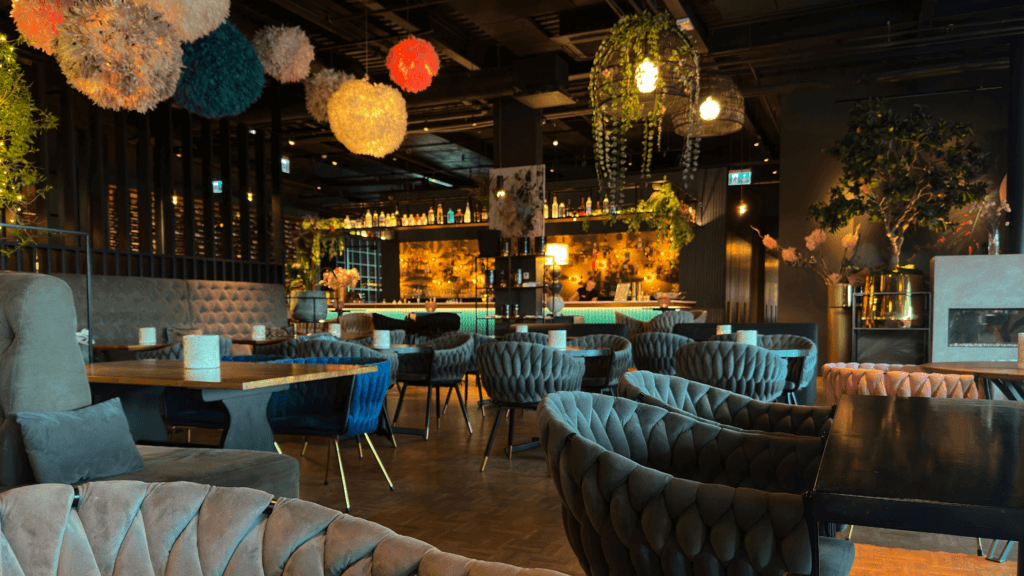
Running a restaurant or food service business is no small feat. From perfecting your menu to managing staff and ensuring health code compliance, there’s always something cooking—figuratively and literally. But amid the daily chaos of orders, deliveries, and customer satisfaction, one crucial element often gets pushed to the back burner: insurance for restaurants.
The food service industry is uniquely exposed to a wide range of risks, including customer injuries, equipment breakdowns, food spoilage, and even lawsuits stemming from allergic reactions or delivery accidents. Without the right insurance, a single incident could wipe out your hard-earned profits—or worse, shut your doors for good.
This guide is your one-stop overview of the essential insurance coverages every restaurant owner should consider. Whether you’re running a fast-casual café, a fine dining establishment, or a food truck, protecting your business with the right insurance plan is just as important as perfecting your signature dish.
Why Insurance for Restaurants is Crucial
Restaurants and food service businesses operate in a high-risk environment. Unlike retail shops or office spaces, your operations involve open flames, hot surfaces, sharp tools, perishable goods, and direct public interaction—every day. These factors dramatically increase the chances of property damage, bodily injuries, and business interruptions.
Beyond that, food service operators must also comply with health and safety regulations, manage supply chains, and maintain a workforce with unique scheduling needs. Any disruption to these delicate systems can result in losses—financial and reputational—that ripple through your entire operation.
Insurance tailored for restaurants helps manage these complex risks. It doesn’t just protect your assets; it safeguards your staff, your patrons, and your business continuity.
Key Insurance Policies for Food Service Businesses
1. General Liability Insurance
This is the foundation of your restaurant’s protection. General liability insurance covers claims of bodily injury, property damage, and advertising injury. For example, if a customer slips on a wet floor or gets burned from a spilled hot drink, this policy can cover medical expenses and legal costs.
It also extends to property damage caused by your employees offsite—think catering events or deliveries.
Why It Matters: Accidents happen quickly in a busy food service setting. This policy keeps a simple mishap from turning into a costly lawsuit.
2. Commercial Property Insurance
This policy protects your restaurant’s physical assets—your building (if owned), kitchen equipment, furniture, décor, and inventory. It covers losses caused by fire, theft, vandalism, storms, or other insured events.
Many policies also include business personal property coverage for items you use but don’t own the building they’re in.
Why It Matters: Kitchen fires and equipment malfunctions are common in restaurants. Property insurance ensures you can repair or replace damaged items without draining your capital.
3. Business Interruption Insurance
If a fire, storm, or another disaster forces you to close temporarily, business interruption insurance replaces lost income and helps cover ongoing expenses like rent, payroll, and utilities.
It can also cover costs associated with operating from a temporary location.
Why It Matters: Even a short closure can cause thousands in lost revenue. This policy keeps you afloat while you recover.
4. Workers’ Compensation Insurance
If an employee gets injured on the job—slips in the kitchen, burns their hand, or develops repetitive strain injuries—workers’ comp covers medical bills, lost wages, and rehabilitation costs. It’s legally required in most states if you have employees.
Why It Matters: The food service industry has one of the highest rates of workplace injuries. Workers’ comp ensures your staff is taken care of and helps you avoid lawsuits.
5. Liquor Liability Insurance
If your restaurant serves alcohol, you could be held liable for damages caused by intoxicated patrons. Liquor liability insurance protects your business from claims of property damage, injuries, or deaths caused by a customer who was served alcohol on your premises.
Why It Matters: One over-served guest can lead to serious consequences. Many states and venues require this policy for alcohol-serving establishments.
6. Food Contamination and Spoilage Coverage
Power outages, equipment failures, and supplier issues can result in spoiled or contaminated food. This coverage reimburses you for the cost of lost inventory and cleanup costs and may even help cover business interruption resulting from a contamination event.
Why It Matters: A broken walk-in fridge or tainted shipment can cost thousands. This policy helps recoup your losses without impacting cash flow.
7. Commercial Auto Insurance (If You Deliver)
If you operate a food truck or offer delivery using business-owned vehicles, you’ll need commercial auto coverage. It protects your drivers, vehicles, and any damage caused during deliveries or errands.
Why It Matters: Personal auto insurance won’t cover business use. Commercial auto insurance protects your fleet and your finances.
Real-Life Scenarios
Scenario 1: A Slip and Fall
A customer at a bistro slips on a freshly mopped floor and injures their wrist. General liability insurance covers the customer’s medical bills and legal expenses when they file a claim.
A customer at a bistro slips on a freshly mopped floor and injures their wrist. General liability insurance covers the customer’s medical bills and legal expenses when they file a claim.
Scenario 2: Equipment Fire
An electrical short sparks a fire in the kitchen, damaging ovens and causing smoke damage. Commercial property insurance covers repairs and equipment replacement, while business interruption insurance covers two weeks of lost revenue.
An electrical short sparks a fire in the kitchen, damaging ovens and causing smoke damage. Commercial property insurance covers repairs and equipment replacement, while business interruption insurance covers two weeks of lost revenue.
Scenario 3: Food Spoilage
After a power outage overnight, a restaurant’s fridge fails, spoiling thousands in perishable inventory. Food spoilage coverage reimburses the owner for the loss.
After a power outage overnight, a restaurant’s fridge fails, spoiling thousands in perishable inventory. Food spoilage coverage reimburses the owner for the loss.
Scenario 4: Drunk Driving Liability
A bar over-serves a patron who later causes a DUI accident. The business is sued. Liquor liability coverage helps pay for the settlement and legal defense.
A bar over-serves a patron who later causes a DUI accident. The business is sued. Liquor liability coverage helps pay for the settlement and legal defense.
Scenario 5: Delivery Mishap
A restaurant’s delivery driver rear-ends another vehicle while making a late-night run. Commercial auto insurance covers the damages and medical costs.
A restaurant’s delivery driver rear-ends another vehicle while making a late-night run. Commercial auto insurance covers the damages and medical costs.

FAQs About Restaurant Insurance
1. Is restaurant insurance legally required?
Some policies—like workers’ compensation and commercial auto—are required by law depending on your state and operations. Others are optional but highly recommended.
2. What does restaurant insurance cost?
Costs vary by business size, location, coverages, and claims history. Basic packages can start at a few hundred dollars per year but can range up to several thousand.
3. Can I bundle policies?
Yes. Many insurers offer Business Owners Policies (BOPs) that combine general liability and property insurance, often at a discounted rate.
4. Does general liability cover food poisoning claims?
It can, depending on the cause and your policy’s language. Foodborne illness is often considered a bodily injury.
5. Do I need liquor liability if I only serve beer and wine?
Yes. If your restaurant serves any alcohol, you are exposed to liability from over-service incidents.
6. Are food trucks covered under the same policies?
They require similar coverage, but with adjustments. For example, mobile kitchens need commercial auto and inland marine coverage for equipment.
7. What if I host live events or catering?
You may need additional coverage like event liability or additional insured riders, depending on the venue.
8. Is my staff covered under general liability?
No. Employees are covered under workers’ compensation, not general liability.
9. Can I add coverage for delivery drivers using their own vehicles?
Yes, with a hired and non-owned auto insurance endorsement (HNOA).
10. How often should I review my policy?
Annually or after any major business change—new location, service, or equipment.
Conclusion
Your restaurant isn’t just a place to eat—it’s a passion project, a community hub, and a business built on hard work. But without the right insurance, all of that can be put at risk in an instant. Whether it’s a fire in the kitchen, a slip in the dining room, or an unexpected lawsuit, the right coverage ensures that one setback doesn’t turn into a permanent shutdown.
Insurance for food service businesses is about more than just checking a box—it’s about creating a safety net that supports your long-term success. With a tailored policy package, you can keep your doors open, your team protected, and your reputation strong.
At Crest Insurance Group, we specialize in helping restaurants, bars, cafés, and food service operators build insurance plans that reflect their unique needs. Reach out today to get a quote and start protecting the business you’ve worked so hard to build.