
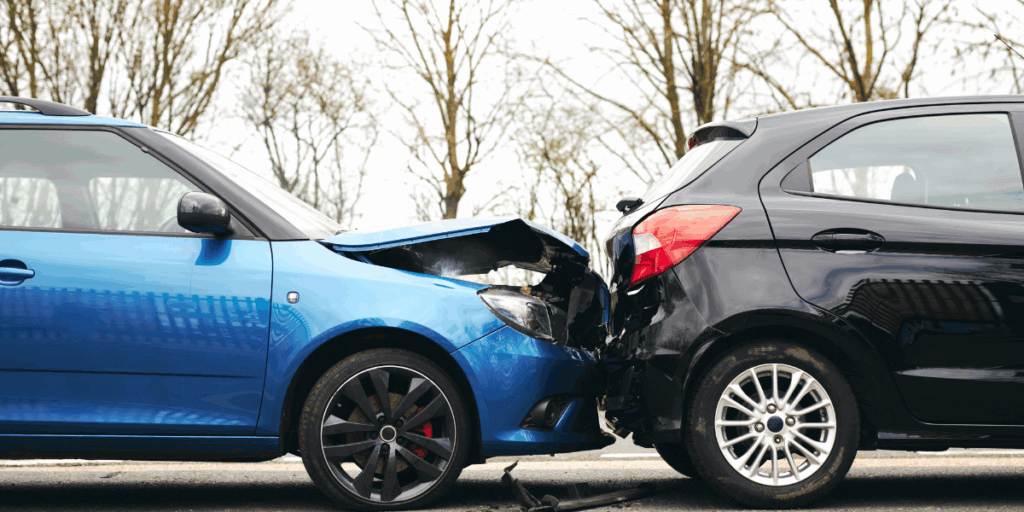
Whether you’re commuting to work, heading out on a weekend road trip, or simply running errands around town, driving is a daily necessity for millions of Americans. However, with the freedom of the open road comes the responsibility of protecting yourself, your passengers, and your vehicle from the unexpected. Auto insurance plays a crucial role in providing this protection, offering financial security and peace of mind in the event of accidents, theft, or other mishaps.
Auto insurance is more than just a legal requirement — it’s an essential part of smart financial planning. A single accident can lead to costly repairs, medical bills, and even legal claims. Without proper coverage, these expenses could significantly impact your finances and long-term stability. Auto insurance helps cover these costs, ensuring that you’re not left shouldering the burden alone.
In this comprehensive guide, we’ll break down everything you need to know about auto insurance: why it matters, the different types of coverage, how policies work, and how to choose the right plan for your needs. You’ll also find real-life scenarios where auto insurance made a difference, frequently asked questions, and insights to help you make informed decisions when protecting yourself and your vehicle.
Why Auto Insurance Matters
Auto insurance serves as a crucial safeguard for drivers, providing financial protection and legal compliance in a world where accidents and unexpected events can happen at any time. Whether you’re involved in a minor fender bender or a serious collision, the costs associated with vehicle damage, medical care, and potential lawsuits can be overwhelming. Auto insurance helps cover these expenses, ensuring that a single incident doesn’t lead to long-term financial hardship.
Beyond protecting your wallet, auto insurance offers peace of mind. Knowing that you’re covered in the event of an accident allows you to drive with confidence, rather than worrying about the “what-ifs” every time you’re on the road. Many policies also offer coverage for situations beyond your control, such as theft, vandalism, or natural disasters, giving you comprehensive protection against a wide range of risks.
In addition to financial security and peace of mind, carrying auto insurance is often a legal requirement. Most states mandate a minimum level of liability coverage to ensure that drivers can take responsibility for any harm they may cause. Failure to maintain proper coverage can result in penalties like fines, license suspension, or even legal action. Ultimately, auto insurance is not just about meeting legal obligations — it’s about protecting yourself, your loved ones, and others on the road from the unforeseen.
Financial Protection Against Unexpected Events
Accidents happen — even to the safest drivers. Whether it’s a minor fender bender or a major collision, repair costs can quickly add up. Auto insurance ensures that you’re financially protected against the high costs of vehicle repairs, medical expenses, and property damage. Liability coverage, in particular, helps protect you if you’re responsible for causing an accident that injures others or damages their property.
Legal Compliance
Most states require drivers to carry a minimum level of auto insurance to legally operate a vehicle. Driving without insurance can lead to hefty fines, license suspension, and legal penalties. Staying properly insured keeps you compliant with state laws and protects you from these potential consequences.
Peace of Mind for Drivers
Knowing you have the right coverage in place provides peace of mind every time you get behind the wheel. In the event of an accident or unforeseen situation, auto insurance reduces the stress and worry associated with covering unexpected costs out of pocket. Instead, your focus can remain on recovery and resolving the issue, rather than stressing about finances.

Types of Auto Insurance Coverage
Auto insurance isn’t one-size-fits-all — it’s made up of several types of coverage that work together to protect you, your vehicle, and others on the road. Understanding these different coverage options is essential when choosing a policy that aligns with your driving habits, risk exposure, and financial comfort level. From basic liability coverage to more comprehensive protection, each type plays a specific role in keeping you prepared for the unexpected.
At its core, auto insurance begins with liability coverage, which is legally required in most states and designed to cover damages or injuries you may cause to others. But beyond that, optional coverages like collision, comprehensive, and uninsured motorist protection can provide valuable support when accidents happen — especially when they’re out of your control. These additional layers of coverage can make the difference between paying thousands out of pocket and having your insurer step in when it matters most.
Choosing the right mix of coverage depends on several personal factors, including the value of your vehicle, how often you drive, and your willingness to assume financial risk. Whether you’re financing a new car or driving an older model, reviewing your coverage options can help you make informed decisions and avoid gaps that could leave you vulnerable. In the following section, we’ll explore each type of auto insurance coverage in detail to help you build a policy that fits your needs.
Liability Coverage
Liability insurance is required in most states and consists of two main components:
- Bodily Injury Liability: Covers medical expenses, lost wages, and legal fees if you’re at fault for injuring someone in an accident.
- Property Damage Liability: Pays for damage to someone else’s property, such as their vehicle, fence, or home, when you’re responsible for the accident.
Collision Coverage
Collision coverage helps pay for repairs or replacement of your vehicle if it’s damaged in an accident, regardless of who is at fault. This coverage is particularly important if you have a newer car or if your vehicle is financed.
Comprehensive Coverage
Comprehensive insurance protects your vehicle from non-collision-related incidents, including theft, vandalism, fire, natural disasters, and falling objects. It ensures your car is protected even when you’re not on the road.
Uninsured/Underinsured Motorist Coverage
Despite legal requirements, some drivers operate vehicles without insurance. Uninsured/underinsured motorist coverage steps in if you’re hit by a driver who lacks adequate coverage, helping to cover medical expenses and property damage.
Personal Injury Protection (PIP)
Also known as no-fault insurance in some states, PIP covers medical expenses, rehabilitation costs, lost wages, and even funeral expenses for you and your passengers, regardless of who caused the accident.
Medical Payments Coverage
Medical payments coverage (MedPay) helps cover medical expenses for you and your passengers after an accident, regardless of fault. This coverage can supplement health insurance and reduce out-of-pocket costs.
Factors That Affect Auto Insurance Rates
When shopping for auto insurance, one of the most important things to understand is how your premium is calculated. Insurance companies evaluate a variety of personal and vehicle-related factors to determine your level of risk — and ultimately, how much you’ll pay for coverage. These variables can lead to significant differences in rates from one person to the next, even if the same level of coverage is selected.
Your driving history, location, age, and even the type of car you drive can all impact your insurance costs. A clean driving record may earn you discounts, while accidents or traffic violations can cause your premiums to rise. Additionally, living in a densely populated area or driving a high-performance vehicle may increase your perceived risk to insurers, affecting how much they charge for your policy.
Understanding these rate influencers can help you make strategic decisions to lower your costs without compromising on coverage. Whether it’s improving your driving habits, choosing a vehicle with a strong safety rating, or bundling your auto policy with other types of insurance, there are many ways to reduce your premium. In this section, we’ll break down the key factors that affect auto insurance rates and offer tips on how to manage them effectively.
Driving Record
Your history behind the wheel plays a significant role in determining your auto insurance premium. Drivers with clean records typically enjoy lower rates, while those with accidents, violations, or DUI convictions may face higher premiums.
Vehicle Type
The make, model, and year of your car affect your insurance rates. Vehicles with advanced safety features, lower repair costs, or high safety ratings often qualify for lower premiums.
Location
Where you live impacts your risk level in the eyes of insurers. Urban areas with higher traffic congestion and accident rates usually have higher premiums compared to rural areas.
Age and Gender
Younger drivers, especially teens, tend to face higher insurance rates due to their lack of experience. Statistically, male drivers under the age of 25 may pay more than their female counterparts.
Coverage Limits and Deductibles
Higher coverage limits and lower deductibles increase your premium, while lower coverage limits and higher deductibles can help reduce costs. Finding the right balance between coverage and affordability is key.
How to Choose the Right Auto Insurance Policy
- Assess your driving habits and vehicle value.
- Understand state minimum insurance requirements.
- Determine how much liability coverage you need.
- Consider additional coverages like collision, comprehensive, and PIP.
- Compare quotes from multiple insurance providers.
- Check for discounts, such as safe driver, multi-policy, or good student discounts.
- Review the insurer’s customer service ratings and claim process.
- Evaluate deductibles and how they affect your premium.
- Work with an experienced insurance agent who can tailor coverage to your needs.
- Reassess your coverage annually or after significant life changes.

Real-Life Scenarios Illustrating the Importance of Auto Insurance
Auto insurance isn’t just a legal formality — it becomes truly valuable when real-life situations unfold. From accidents caused by distracted driving to unexpected natural disasters, the right insurance coverage can make the difference between a manageable inconvenience and a financial nightmare. Real-world examples help illustrate just how essential this protection is in day-to-day life.
Each time you get behind the wheel, you’re exposed to a variety of risks — many of which are beyond your control. Whether it’s another driver running a red light, a severe hailstorm damaging your vehicle, or someone backing into your car in a parking lot, these events can happen in an instant. Without proper coverage, the resulting expenses could put a serious strain on your finances, especially if you’re responsible for someone else’s injuries or property damage.
The following scenarios demonstrate the real impact auto insurance can have. They highlight how different types of coverage — from liability and collision to comprehensive and personal injury protection — come into play when accidents or unforeseen events occur. These examples provide a clearer picture of why being properly insured isn’t just smart — it’s necessary.
Scenario 1: Collision with Another Vehicle
A driver accidentally rear-ends another vehicle at a stoplight. Their liability coverage helps pay for the damage to the other vehicle and the medical bills of the injured driver.
Scenario 2: Vehicle Theft
A parked car is stolen from a driveway overnight. Comprehensive insurance helps the owner recover the cost of the stolen vehicle.
Scenario 3: Severe Weather Damage
A hailstorm damages a vehicle’s windshield and body. The driver’s comprehensive coverage pays for the repairs.
Scenario 4: Accident with an Uninsured Driver
A driver is hit by another motorist who doesn’t carry insurance. Uninsured motorist coverage steps in to pay for the repairs and medical costs.
Scenario 5: Passenger Injury in a Crash
During a minor accident, a passenger sustains injuries. The driver’s PIP coverage helps cover the passenger’s medical expenses and rehabilitation.
Frequently Asked Questions (FAQs)
Choosing the right auto insurance policy can feel overwhelming, especially with so many coverage options, terms, and requirements to consider. Whether you’re purchasing insurance for the first time or reviewing your current policy, it’s common to have questions about what’s covered, how rates are determined, and how to ensure you’re adequately protected. Understanding these key details is an important step toward making informed decisions about your coverage.
To help simplify the process, we’ve compiled answers to some of the most frequently asked questions about auto insurance. These questions address common concerns that drivers have when selecting, managing, or using their auto insurance policy — from how liability coverage works to what happens if you’re involved in an accident with an uninsured driver.
By reviewing these FAQs, you can gain a clearer understanding of how auto insurance works and what to expect if you ever need to file a claim. Having this knowledge not only helps you feel more confident in your coverage choices but also ensures that you’re prepared should the unexpected happen.
1. Is auto insurance required by law?
Yes, most states require a minimum level of liability coverage. Check your state’s specific requirements to ensure compliance.
2. What does full coverage auto insurance mean?
Full coverage typically includes liability, collision, and comprehensive insurance, providing broader protection against various risks.
3. How can I lower my auto insurance premiums?
Maintain a clean driving record, bundle policies, increase your deductible, and ask about discounts to reduce your premium.
4. What happens if I’m hit by an uninsured driver?
If you have uninsured/underinsured motorist coverage, your policy can help cover medical expenses and vehicle repairs.
5. Should I choose a higher or lower deductible?
A higher deductible lowers your premium but increases your out-of-pocket costs in the event of a claim. Choose a deductible you can comfortably afford.
6. Does auto insurance cover rental cars?
Many policies extend coverage to rental cars, but it’s important to confirm with your insurer. Additional rental coverage may also be available through rental companies.
7. Are there discounts available for safe drivers?
Yes, many insurers offer safe driver discounts for maintaining a clean driving record, completing defensive driving courses, or installing vehicle safety devices.
8. How often should I review my auto insurance policy?
Review your policy annually or after significant life events such as moving, buying a new car, or adding a driver to your policy.
9. What is gap insurance?
Gap insurance covers the difference between your car’s current value and what you owe on your loan if the vehicle is totaled or stolen.
10. Can I add other drivers to my policy?
Yes, you can typically add family members or other household members to your policy. Be sure to disclose all drivers to your insurance provider.
Conclusion: Why Choose Crest
Auto insurance is not just a legal necessity — it’s a crucial safety net that protects you from the financial burden of unexpected accidents, theft, and damage. Without the right coverage, even a minor incident can become a significant financial setback. By understanding how auto insurance works and choosing the right policy, you ensure that you, your passengers, and your vehicle are well-protected.
Choosing the right auto insurance policy doesn’t have to be overwhelming. By working with an experienced insurance provider like Crest Insurance, you can receive personalized advice and find a plan that fits your budget and coverage needs. Our team is here to help you navigate the process, answer your questions, and make sure you have the coverage you need for peace of mind on the road.
For more helpful insights on choosing the right insurance for your needs, visit our Insurance Services page to explore all your options.