
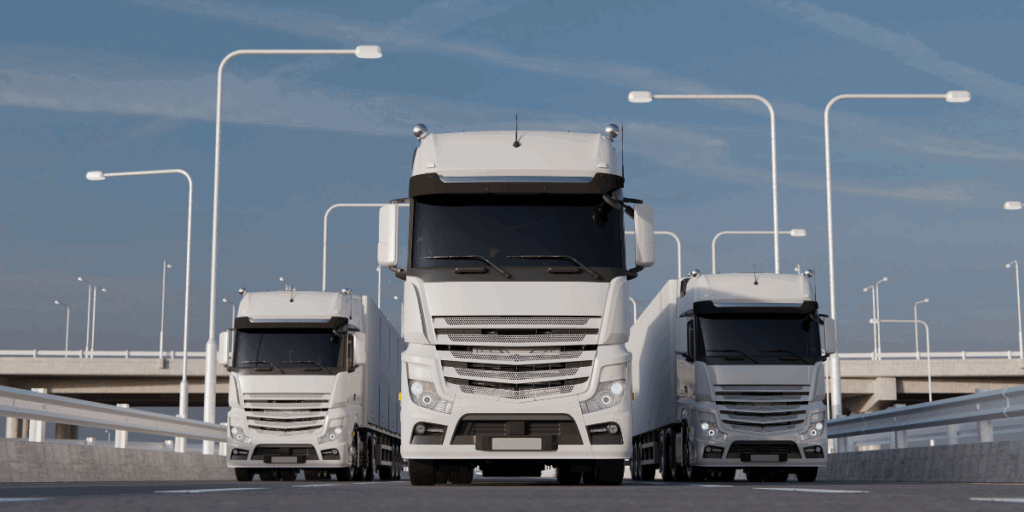
In today’s fast-paced, logistics-driven world, transportation and fleet operations are essential to business success. Whether you’re managing a regional delivery service or operating a nationwide trucking company, your vehicles are not just assets — they’re the backbone of your operations. But with great mobility comes significant risk. Accidents, theft, cargo damage, and liability claims can all result in devastating financial losses if you’re not adequately protected.
That’s where transportation and fleet insurance comes in. This specialized coverage is designed to safeguard businesses with multiple vehicles or commercial transportation needs. It goes beyond standard auto policies to offer tailored protection for commercial operations, employee drivers, valuable cargo, and third-party liabilities. Without this protection, a single incident can halt operations, drain finances, and damage your reputation.
Understanding the nuances of fleet insurance is crucial for mitigating risk and ensuring operational continuity. This guide will break down everything you need to know about transportation and fleet insurance — including who needs it, what it covers, how to choose the right policy, and real-world examples that highlight its importance.
Why Transportation and Fleet Insurance Is Critical
Transportation and fleet insurance plays a pivotal role in protecting businesses that depend on vehicles for daily operations. Whether you’re managing a fleet of delivery vans, service trucks, or long-haul semis, your vehicles are exposed to risks every time they’re on the road. From traffic accidents and severe weather to theft or vandalism, unexpected events can disrupt operations, damage valuable assets, and lead to significant financial losses. Fleet insurance ensures that your business can recover quickly and continue running smoothly when incidents occur.
Beyond physical damage and loss, transportation companies face high liability exposure. Accidents involving commercial vehicles can result in property damage, bodily injuries, or even fatalities — and these situations often lead to lawsuits or costly settlements. Without proper liability coverage, a single claim could devastate your business’s finances and reputation. Fleet insurance offers essential protection by covering legal defense fees, medical expenses, and third-party damages, giving you the peace of mind to focus on growing your business.
Employee safety is another critical reason to invest in comprehensive fleet insurance. Your drivers are the face of your brand and a vital part of your operations. If they’re injured on the job, your business may be responsible for covering medical costs, lost wages, or long-term rehabilitation. A solid fleet insurance policy can include workers’ compensation and medical payments coverage, helping you protect your team while reducing your exposure to potential legal claims.
Lastly, fleet insurance is essential for maintaining regulatory compliance. Most states and federal transportation authorities require businesses to carry specific levels of commercial vehicle insurance. Failing to meet these requirements can result in fines, license suspensions, or even forced shutdowns. By maintaining proper fleet coverage, you not only stay compliant with the law but also demonstrate a commitment to safety and professionalism — which can positively impact your brand and customer trust.
1. Protection Against High Liability Costs
Transportation businesses often face a higher degree of risk than other industries. Accidents involving commercial vehicles can result in substantial property damage, bodily injuries, and even fatalities. Without insurance, your business could be on the hook for legal defense costs, settlements, or judgments. Fleet insurance helps cover these expenses, ensuring you remain financially stable in the face of lawsuits or claims.
2. Covers a Wide Range of Vehicle Types
From trucks and vans to delivery vehicles and construction fleets, transportation insurance can be customized to suit your unique fleet. Whether you’re hauling goods across state lines or making local service calls, you need insurance that reflects the usage, location, and type of your vehicles. Fleet insurance offers that flexibility and scalability.
3. Safeguards Your Employees and Business Reputation
Your drivers represent your brand on the road. If they’re involved in an accident, your company could be held liable — even if they’re not at fault. Transportation insurance can include coverage for medical payments, workers’ compensation, and liability, keeping both your team and your business reputation safe.
4. Regulatory Compliance
Many states and federal agencies require minimum insurance levels for businesses involved in transportation. Fleet insurance ensures that you stay compliant with Department of Transportation (DOT) regulations, state laws, and any industry-specific guidelines. Non-compliance can lead to hefty fines or suspension of operations.

Who Needs Transportation and Fleet Insurance?
Transportation insurance isn’t just for large trucking firms. Any business that uses vehicles as part of daily operations can benefit. This includes:
- Delivery companies (food, retail, courier services)
- Freight and logistics firms
- Construction companies with mobile equipment
- Landscaping and contracting businesses
- Non-emergency medical transportation providers
- Bus or shuttle services
- Field service companies (plumbers, electricians, HVAC techs)
Even small businesses with two or more vehicles should consider fleet insurance for the ease of managing a single policy, the cost savings, and the improved risk management that comes with bundled coverage.
What Does Transportation and Fleet Insurance Cover?
Understanding what transportation and fleet insurance covers is essential for any business that operates vehicles as part of its daily operations. Unlike standard auto insurance, fleet coverage is designed to address the unique risks and needs of commercial transportation. These policies offer a broad range of protections — from liability and physical damage to cargo loss and employee injuries — helping businesses recover quickly from accidents, theft, or unexpected disruptions on the road.
By investing in comprehensive coverage, you’re not just protecting vehicles — you’re safeguarding your drivers, cargo, and business operations. Whether you’re managing a small delivery fleet or overseeing a large-scale logistics operation, knowing the ins and outs of your policy can prevent costly gaps in protection. In the following section, we’ll break down the core components of fleet insurance and how each one works to keep your business moving forward.
1. Liability Coverage
Covers damages or injuries you cause to other people or property in an accident. Includes bodily injury liability and property damage liability — both are crucial if your drivers are found at fault.
2. Physical Damage Coverage
Pays for repairs or replacement of your vehicles after an accident, regardless of who is at fault. This includes:
- Collision: damage from accidents with other vehicles or objects
- Comprehensive: damage from non-collision events (theft, vandalism, weather, fire)
3. Uninsured/Underinsured Motorist
Covers your drivers and vehicles if they’re involved in an accident caused by someone with insufficient or no insurance.
4. Medical Payments Coverage
Pays for medical expenses for your drivers and passengers after an accident, regardless of fault.
5. Hired and Non-Owned Auto (HNOA)
Essential for businesses that rent vehicles or let employees use personal vehicles for work. HNOA extends liability coverage in these cases.
6. Cargo Insurance
If you’re transporting goods or materials, cargo insurance protects the contents from loss, theft, or damage in transit.
7. Workers’ Compensation
If your drivers are employees, workers’ compensation insurance helps cover medical costs and lost wages after on-the-job injuries.

Real-Life Scenarios Where Fleet Insurance Made a Difference
Fleet insurance isn’t just a line item on your budget — it’s a vital safeguard that proves its worth when the unexpected happens. While it’s easy to view insurance as something you hope never to use, the reality is that even the most cautious businesses face accidents, theft, and liability claims. Real-world scenarios show just how valuable the right coverage can be in protecting your operations, minimizing downtime, and avoiding severe financial loss.
The following examples highlight situations where businesses were able to recover quickly and efficiently because they had proper transportation and fleet insurance in place. From multi-vehicle collisions to cargo theft and employee injuries, these scenarios demonstrate the wide range of risks commercial fleets face and how the right insurance policy can make all the difference.
Scenario 1: Cargo Theft During Overnight Stop
A logistics company parked its fleet in a lot overnight during a cross-country delivery. One of the trucks was broken into, and high-value electronics were stolen. Thanks to their cargo insurance, the company recovered the value of the lost goods and didn’t have to absorb the cost.
Scenario 2: Multi-Vehicle Accident on Icy Roads
A snowstorm led to a pile-up involving a delivery van, a sedan, and a semi-truck. Fleet insurance covered the van’s repairs, medical expenses for the injured driver, and legal costs for a liability claim from the other drivers.
Scenario 3: Employee Uses Personal Car for Work
A field technician used their personal vehicle to make a job site visit and caused a minor accident. The company’s Hired and Non-Owned Auto coverage kicked in, paying for the damages and avoiding a lawsuit against the employee.
Scenario 4: Fire Destroys Company Fleet
A fire broke out in the garage where a construction company stored its fleet of trucks and vans. Fleet insurance covered the replacement of the vehicles and provided a rental allowance so work could continue with minimal interruption.
Scenario 5: Driver Injury Leads to Major Hospital Bills
A truck driver was injured in a rollover accident caused by another vehicle. Fleet insurance covered hospitalization, rehabilitation, and lost wages under the workers’ compensation and uninsured motorist policies.
Choosing the Right Transportation and Fleet Insurance Policy
Selecting the right fleet insurance policy is a critical step in protecting your business, your drivers, and your bottom line. With so many coverage options and policy types available, it’s essential to choose a plan that aligns with your specific operational needs. From the size and usage of your fleet to the types of cargo you transport and the routes you travel, every detail can impact the kind of protection you require.
A well-matched policy doesn’t just offer financial security — it also helps ensure compliance with state and federal regulations, improves risk management, and simplifies coverage across your entire fleet. In this section, we’ll guide you through the key factors to consider when evaluating fleet insurance policies, helping you make informed decisions that support the long-term success of your transportation operations.
1. Evaluate the Size and Use of Your Fleet
Not all policies are created equal. The number of vehicles, how often they’re used, and what they’re used for all affect the type and level of coverage you’ll need. Some insurers specialize in small fleets, while others cater to large-scale operations.
2. Know the Laws in Your State
Each state has its own insurance requirements for commercial vehicles. Some industries also require compliance with federal regulations (especially if you’re crossing state lines). Work with an insurance provider who understands these rules and ensures your policy meets or exceeds them.
3. Compare Deductibles and Limits
Lower premiums often mean higher deductibles. You’ll need to strike a balance between monthly costs and your ability to cover out-of-pocket expenses in the event of a claim.
4. Choose a Reputable Provider
Your insurance provider should have a proven track record in the transportation industry. Look for strong customer service, responsive claims handling, and experience working with businesses like yours.
5. Bundle Coverages for Savings
Bundling liability, cargo, physical damage, and other essential coverages under one policy can streamline management and reduce total costs.
Frequently Asked Questions About Fleet Insurance
Fleet insurance can be complex, especially for businesses just starting to manage multiple vehicles or expanding their transportation operations. With various coverage options, legal requirements, and policy features to consider, it’s natural to have questions about how it all works. Whether you’re curious about what fleet insurance includes, who needs it, or how to reduce costs, getting clear answers is key to making informed decisions.
In this section, we’ve compiled the most common questions businesses have about transportation and fleet insurance. These FAQs are designed to clarify the essentials, address common concerns, and provide insights that can help you better understand your coverage options and responsibilities.
1. What’s the difference between fleet insurance and commercial auto insurance?
Fleet insurance is designed for businesses with multiple vehicles, offering streamlined coverage and billing. Commercial auto insurance usually applies to individual business vehicles.
2. How many vehicles do I need to qualify for fleet insurance?
Typically, you need two or more business-owned vehicles to be eligible for fleet coverage, but requirements may vary by provider.
3. Is fleet insurance more cost-effective?
Yes. Fleet insurance usually results in lower per-vehicle premiums and reduced administrative costs.
4. What’s covered under a fleet insurance policy?
Fleet policies generally include liability, physical damage, medical payments, uninsured motorist, and optional coverages like cargo or HNOA.
5. Do I need fleet insurance if my employees use their personal vehicles?
Yes, you’ll need Hired and Non-Owned Auto coverage to protect your business from liability when personal vehicles are used for work.
6. Does fleet insurance cover rental vehicles?
It can, depending on your policy. Hired Auto coverage is essential if your company occasionally rents vehicles.
7. Can I customize my fleet insurance policy?
Absolutely. You can tailor your policy with optional coverages based on your fleet type, cargo, location, and risk level.
8. What if my fleet operates in multiple states?
Your policy must comply with the insurance requirements in each state. A knowledgeable provider can help ensure multi-state compliance.
9. How can I reduce my fleet insurance costs?
You can lower costs by implementing driver safety programs, using telematics, maintaining good driving records, and bundling coverages.
10. How often should I review my policy?
Review your fleet policy annually or whenever your fleet size, operations, or business structure changes.
Conclusion: Protecting Your Fleet, Your Business, and Your Future
Fleet insurance isn’t just a legal requirement — it’s a strategic investment in the future of your business. With the right policy, you can operate confidently knowing that your vehicles, drivers, cargo, and company are protected from the financial fallout of accidents and incidents on the road.
Transportation comes with inherent risks. Accidents, injuries, and cargo loss are all possibilities that can disrupt your operations and tarnish your reputation. But with comprehensive fleet insurance, you can respond quickly, minimize downtime, and stay on course.
At Crest Insurance, we specialize in helping businesses like yours find the right transportation insurance solutions. Whether you’re a small local company or a large regional fleet, we offer customized plans, expert guidance, and responsive service. Learn more about our commercial insurance solutions and let us help you safeguard what drives your success.